Industry example · Printed catalogs
Bloomingdale’s is not an EyeLoup client. This page examines a notable industry example.
The catalog became a storefront.
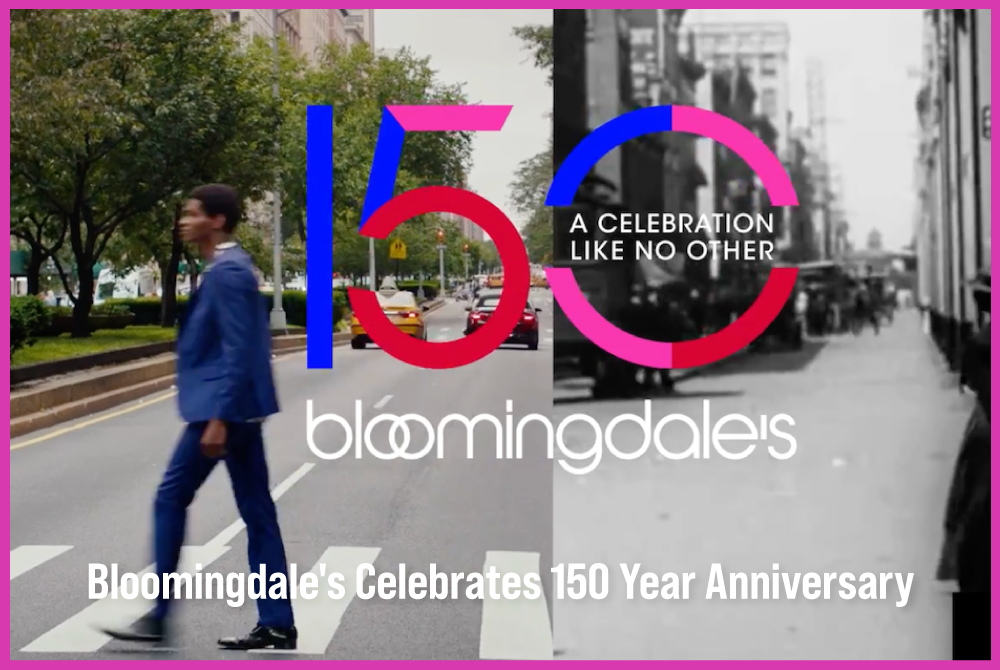
How Bloomingdale’s turned approximately 400,000 anniversary catalogs into interactive product-discovery and shopping experiences.
400K
catalogs distributed
38%
reported engagement
23%
reported conversion
AR
print-to-commerce
How can a printed catalog compete with the depth of digital commerce?
Bloomingdale’s anniversary catalog reached hundreds of thousands of households, but a printed fashion image can only show one model, one angle and one styled moment.
The retailer needed to preserve the physical catalog while giving readers a richer way to explore and purchase featured looks.
From printed page to interactive showroom.
QR codes in the catalog launched AR experiences that placed models and curated outfits in the reader’s surroundings. People could examine a look, capture shareable content and shop directly.
Print remained the starting point while mobile interaction added product discovery, participation and a measurable route to commerce.
Why it matters
What brands can learn.
Bloomingdale’s shows how a familiar print format can become an interactive showroom without asking the catalog to stop being a catalog.
01Extend the page
AR added views and interactions that could not fit inside the printed composition.
02Shorten the journey
Readers moved from inspiration to exploration and shopping in one flow.
03Keep print central
The physical catalog delivered the audience and context.
Reading the results
Evidence, with context.
The engagement and conversion figures are reported by the campaign case-study publisher. Without a disclosed independent experimental design, they should be treated as reported outcomes rather than proof that AR alone caused every conversion.
From example to execution
What could your physical product become?
EyeLoup connects packaging and printed materials to measurable interactive content.